Problems we see in shared buildings
- Stack backups: grease or wipes in a shared kitchen or toilet stack pushing up into lower units.
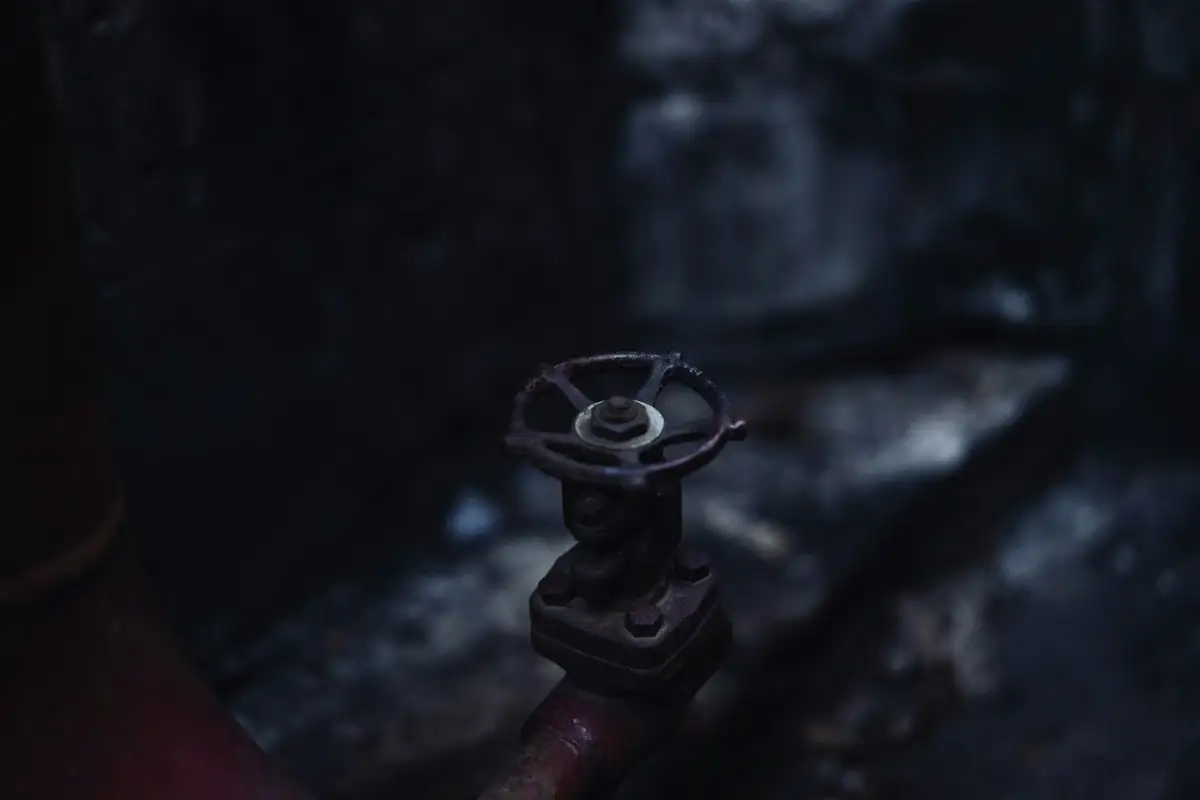
- Seized riser valves: unit shut-offs that have not turned in years and snap when they finally must.
- Unit-to-unit leaks: a failed tub drain, toilet seal or washer hose above a finished ceiling.
- Pressure issues: booster pumps, pressure-reducing valves and upper floors running weak.
- Townhouse blocks: shared laterals, frozen lines in end units and sump pits on common property.
Finding the source of a leak
- We start in the wet unit and work upward, checking each likely fixture.
- We use moisture meters and, when needed, a thermal camera before cutting drywall.
- We test tub, shower and toilet seals with water and dye.
- We report which unit and which fixture failed, with photos for the board.
Ask residents to keep a towel and the superintendent's number near the in-suite shut-off. Seconds matter in a stacked building.
Planned shutdowns
- We help write the notice: time, duration and which units lose water.
- We confirm every valve that must close actually closes before the day.
- We bring replacement valves sized to the riser so nothing waits on parts.
- We restore water slowly and bleed air from upper units afterwards.
Preventive work that pays off
- Exercise riser and unit valves once a year.
- Jet kitchen stacks on a schedule in buildings with many cooks.
- Replace rubber washer hoses with braided steel ones.
- Fit leak sensors under in-suite water heaters.
Newer condo buildings along the Yonge and Davis corridor and older rental blocks downtown both benefit from a written valve map. We can build one as we work.
Questions people ask us
A tub upstairs soaked my ceiling. Whose bill is it?
That depends on your declaration and insurance. We document the source with photos for the board, owners and insurers to settle.
Can you replace a riser valve without draining the whole building?
Often only a section of riser needs draining. We confirm the isolation points beforehand.