The houses here
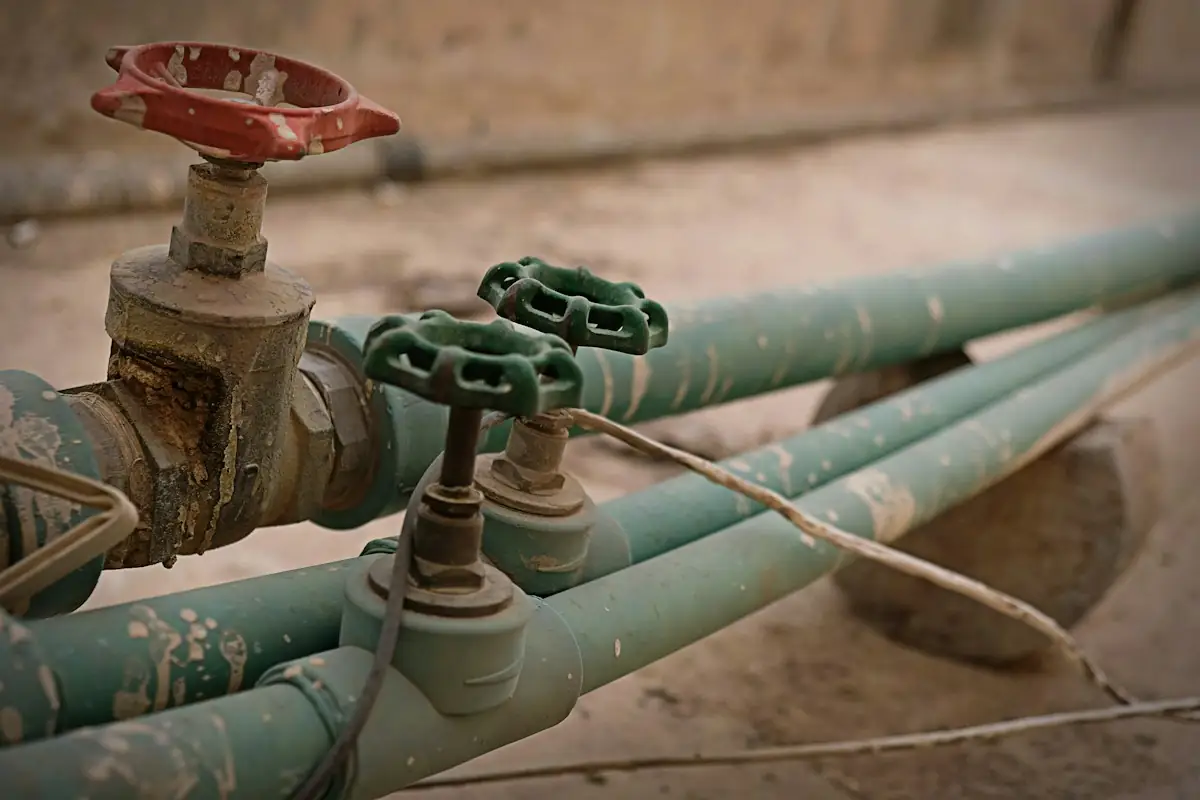
Brick Victorians, Edwardian foursquares and storey-and-a-half cottages line Prospect, Millard, Raglan and the blocks between Main and Timothy. Many were built before indoor plumbing was standard, so their bathrooms were added later, sometimes several times over. That layering is what makes Old Town plumbing interesting: you can find hand-poured lead joints, galvanized branches and new PEX all within a metre of one another.
Common plumbing problems
- Cast iron stacks cracked along their length or rusted through at the base.
- Galvanized supply lines choking down pressure on upper floors.
- Clay sewer laterals with root intrusion from mature road trees.
- Basements with low ceilings and fieldstone walls that make routing tricky.
- Possible lead service lines on the oldest lots.
Local notes
Some Old Town properties sit inside a heritage area, which can affect exterior changes such as fresh vents through a front wall. Inside, there is far more freedom. We plan routes that avoid cutting original trim and plaster where we can, working through closets and basements instead.
How we help
- Camera the lateral before any renovation.
- Replace galvanized lines with PEX in planned stages.
- Swap the main valve for a ball valve.
- Add a cleanout and backwater valve while the floor is open.
The pipes behind the walls in Old Town Newmarket: pipes, drains and houses
| Typical houses | late 1800s to 1930s brick and frame houses |
|---|---|
| Supply pipes | original galvanized branches, some lead services, cast-iron stacks |
| Drains | clay laterals with root-prone joints |
Questions people ask us
Will you have to wreck my plaster?
Rarely. We prefer access from below or from closets, and cut neatly when we must.