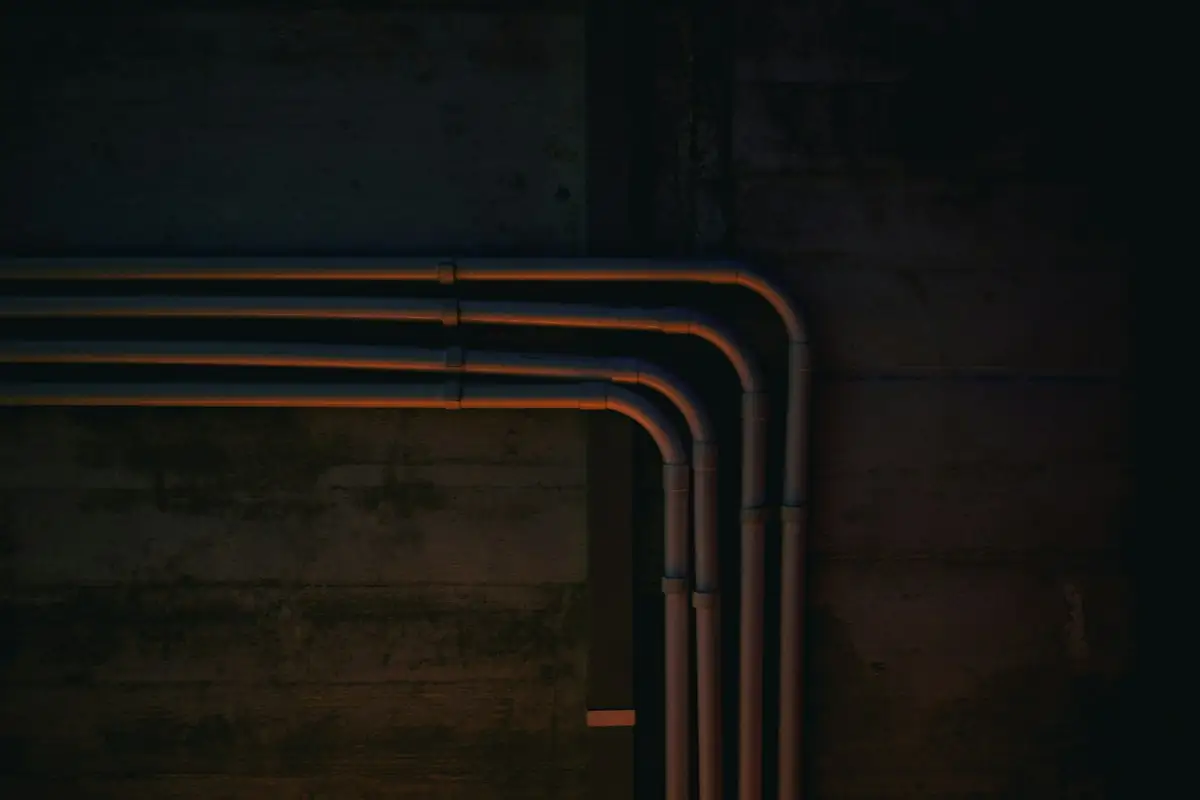
Galvanized and polybutylene
Galvanized steel was common in Ontario houses into the 1950s. It rusts from the within, narrowing until a shower trickles, and it sheds rust flakes into aerators. Polybutylene, a grey plastic used in some homes from the late 1970s down into the 1990s, can become brittle and fail at fittings. If you see either in your basement, plan a replacement before a failure plans it for you.
PEX versus copper
- PEX: flexible, fewer joints, resists freezing better, quicker to install, quieter.
- Copper: long track record, rigid and neat, tolerant of heat near water heaters, but costs more and can pinhole in some water.
- Mixed: copper near the water heater and exposed areas, PEX through walls and ceilings.
A repipe week
Most single-family repipes take three to five days. We work one area at a time and restore water each evening so the house stays livable. Access holes are cut where pipes must pass, kept as small and few as we can, and left ready for patching. Inspections are booked before walls close. At the end you get a house with new lines, new shut-offs and steady pressure.
- Survey and plan routes.
- Run the new mains and branches.
- Switch fixtures over one at a time.
- Pressure test, inspect, and remove old pipe where reachable.
Signs you need this in your house
- Galvanized pipe with low pressure
- Rust-coloured water
- Repeated pinhole leaks
- Poly-B lines
Questions people ask us
Do I have to move out?
Usually not. Water is off for parts of each day only.
Will repiping fix my low pressure?
If old pipe is the cause, yes. We check the service line and pressure valve first.