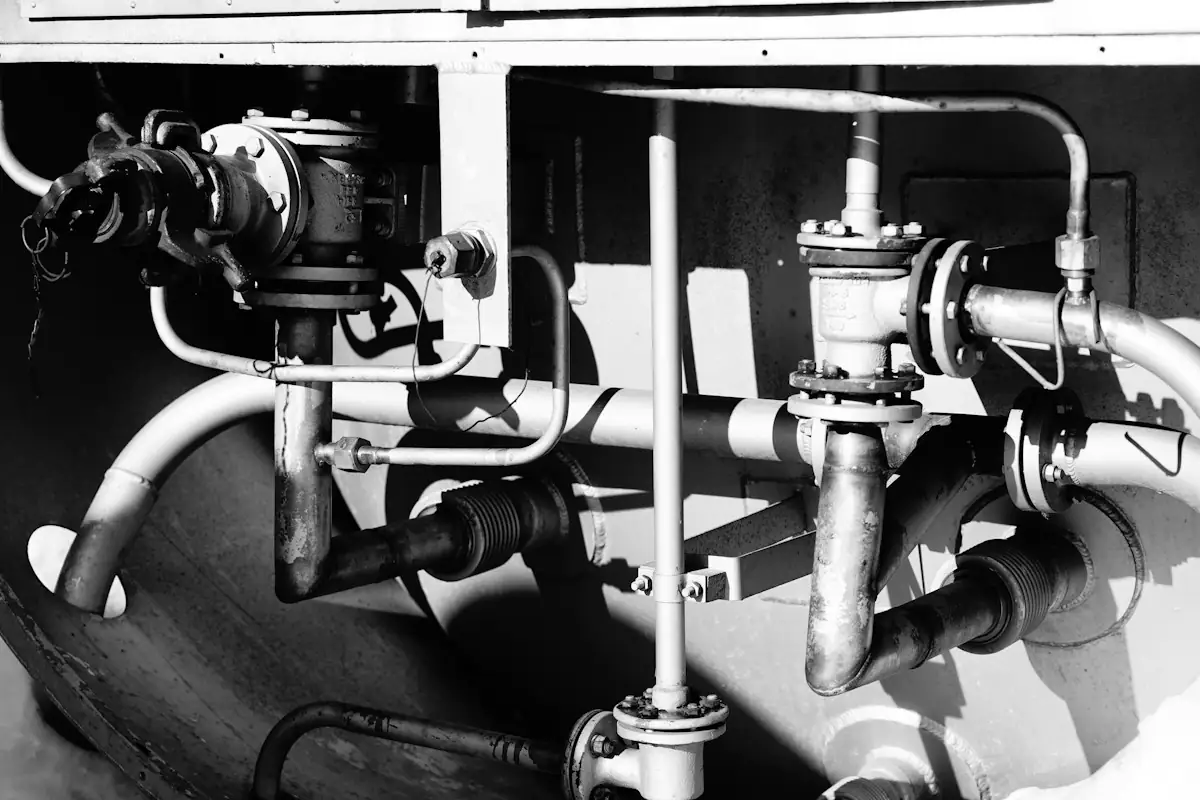
Float problems
The float is the switch that tells the pump when to start. Tethered floats can get caught against the liner or the outlet pipe. Vertical floats can stick with silt or iron bacteria slime. A stuck float means the pump never starts, or never stops. We clean the pit, free or replace the switch, and set the switch heights so the motor runs long enough to cool between cycles.
Check valves
The check valve stops water in the discharge pipe from falling back down once the motor stops. When it fails, the same water cycles over and over, wearing out the motor. A loud thunk when the pump stops is normal for some valves; a constant short-cycling is not. We replace worn check valves with quiet models and add a union so the pump can be pulled without cutting pipe next time.
When to replace
- The pump is more than eight to ten years old and runs often.
- The motor trips its breaker or the cord is damaged.
- The housing is cracked or the impeller is chewed by debris.
- You have had one near miss already.
- Pull and test the old pump.
- Clean the pit and check the inlet pipes.
- Install the new pump with a new check valve.
- Fill the pit to confirm a full cycle.
Signs you need this in your house
- Pump hums but does not move water
- Runs nonstop on a dry day
- Float switch stuck against the liner
- Check valve slamming shut
Questions people ask us
Why does my pump smell?
Dry pits and dried-out floor drain traps can let sewer gas in. A sealed lid helps.
Can you service it before spring?
Yes, and late winter is a smart time to book.